Ingredients
Equipment
Method
- Boil the potatoes. Boil the potatoes in their skins until a knife slides easily into the center, 20–30 minutes depending on size. Drain and peel while they're still warm.
- Cool. Spread the potatoes out and let them cool to room temperature, about 1 hour. They should feel cool to the touch but not fridge-cold.
- Mash. Mash the potatoes in the stand mixer with the flat beater or whisk on low, or pass them through a ricer. A few small pieces of potato are fine.
- Mix the dough. Add the salt and the first 115 g of flour and mix just until the dough comes together. If it's still wet, add more flour a tablespoon at a time until you can pick up a piece and shape it. It will stay a little sticky, which is why you roll it on a floured counter. Many batches need more than the starting amount. Don't knead it, and don't let it rest: roll it out right away.
- Divide. Divide the dough into 16 pieces, about 70 g (2½ oz) each.
- Roll out. On a well-floured counter, roll each piece about 1/16 inch (2 mm) thin and 6–8 inches (15–20 cm) across. Roll rounds for lomper and rectangles for lefser. For perfectly round lomper, cut around a plate or lid after rolling. Brush off excess flour.
- Heat the pan. Heat a dry cast-iron skillet or griddle over medium-high heat. Don't add butter or oil.
- Cook. Cook each lompe for about 2 minutes per side, until both sides have light brown spots and no raw, shiny patches remain. Thinner rounds and a hotter pan cook faster. Wipe loose flour from the pan with a dry paper towel between batches.
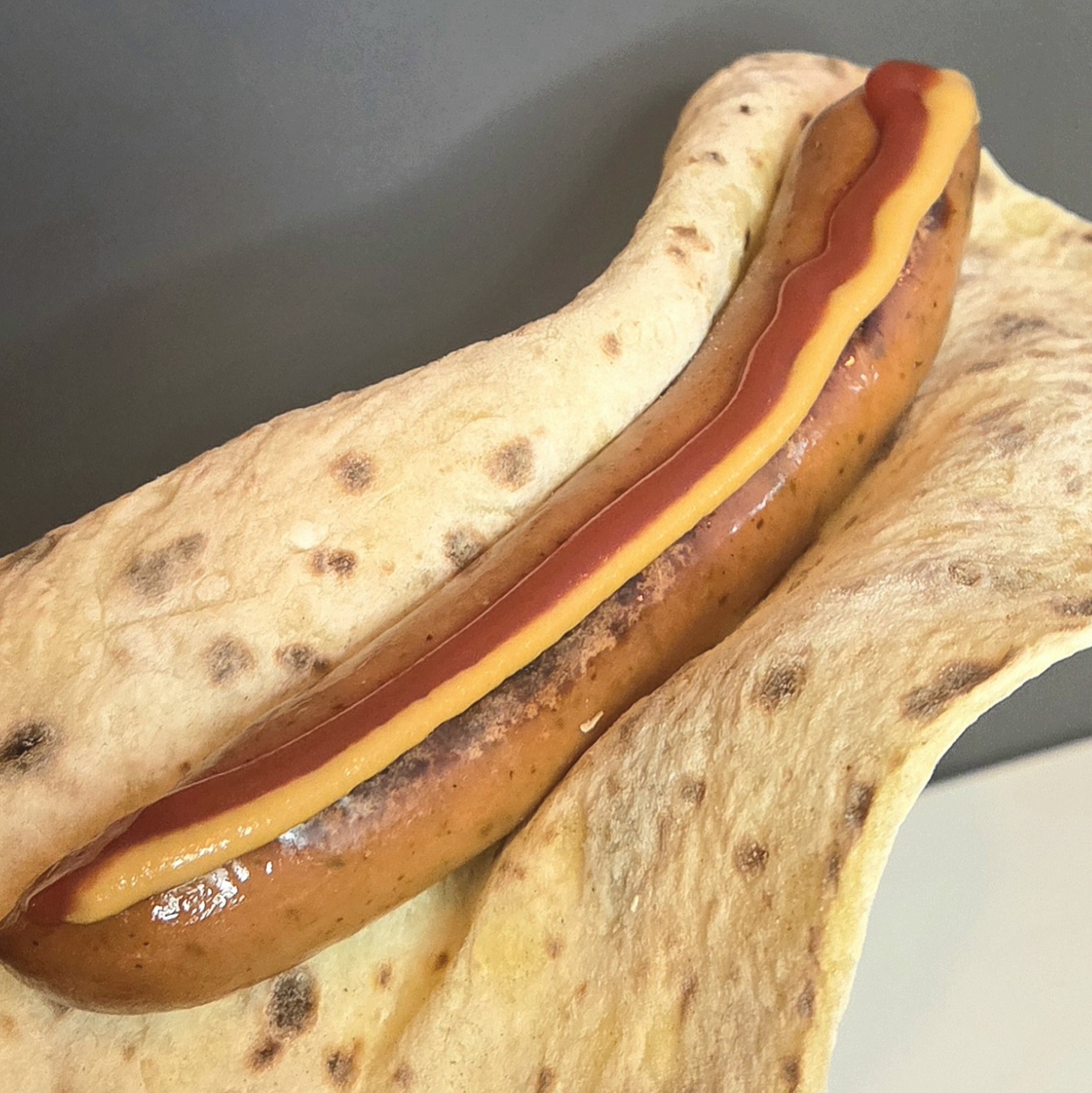
- Wrap. Stack the lomper straight into a clean kitchen towel as they come off the pan and fold the towel over. Let the bundle cool on a wire rack.
Notes
Chef's tip: treat 115 g of flour as the starting point, not the total. Add more a tablespoon at a time until the dough goes from wet to workable, and don't chase a dough that never sticks. The flour on the counter takes care of the rest.