Sourdough Discard Blueberry Loaf with Lemon Glaze
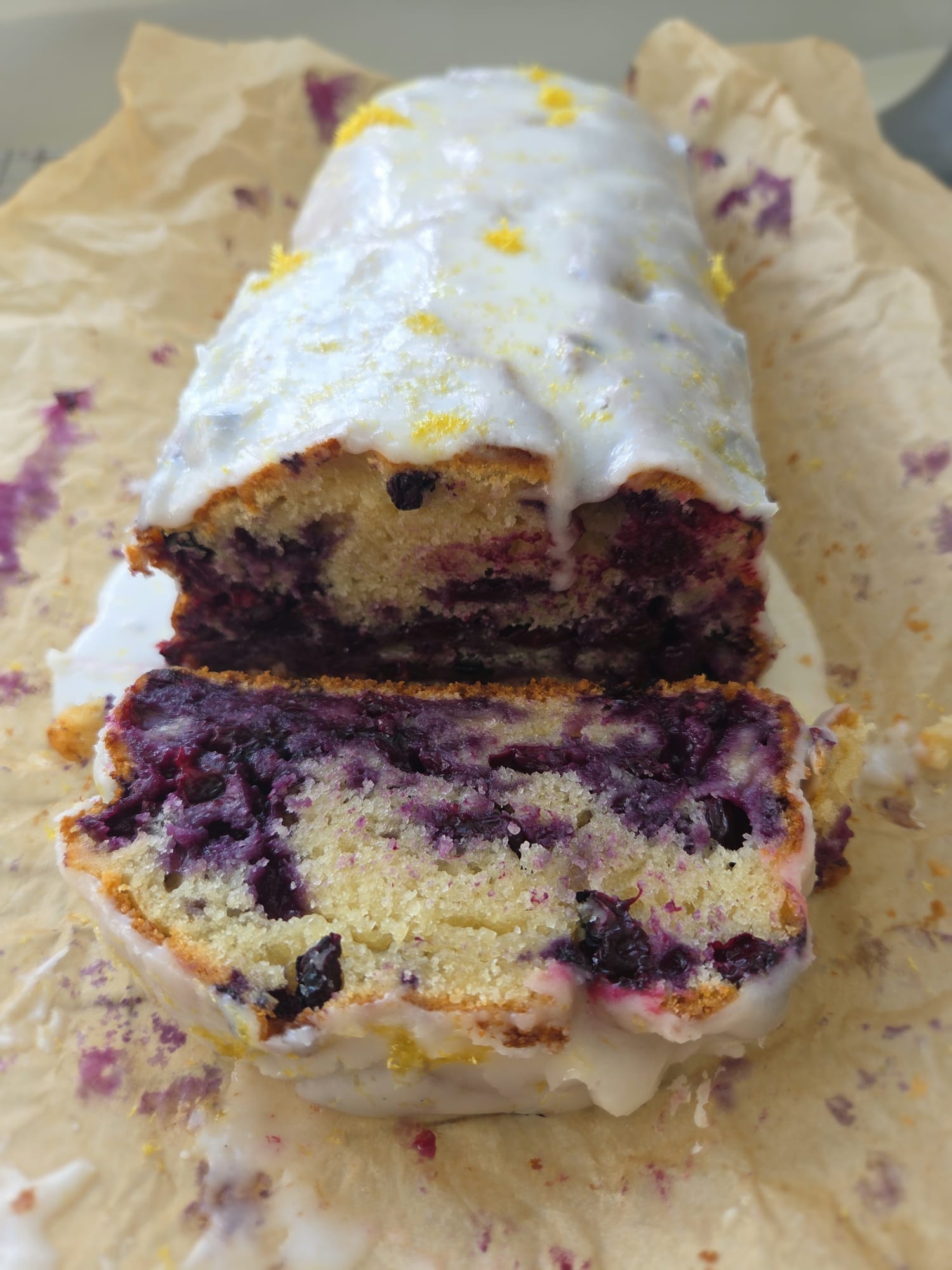
This sourdough discard blueberry loaf is what a fridge full of unfed starter is for. It’s a soft, buttery loaf cake packed with berries and finished with a sharp lemon glaze — no proofing, no schedule, just batter that goes straight into the pan. If you bake sourdough, you already have the one ingredient that makes it interesting.
Sourdough Discard Blueberry Loaf with Lemon Glaze
Ingredients
Equipment
Method
- Heat the oven to 350°F / 180°C. Line a 9×5-inch loaf pan (8-cup / 2-litre capacity) with parchment, leaving an overhang on the long sides.
- Whisk the flour, baking powder and salt together in a bowl and set aside.
- In a large bowl, whisk the melted butter and sugar until smooth. Add the eggs one at a time, then the vanilla, yogurt and sourdough discard. Whisk until the batter is even and glossy.
- Fold in the dry ingredients with a spatula, stopping as soon as no dry flour is left. The batter should be thick and a little lumpy — don't beat it smooth.
- Toss the blueberries with 1 tbsp flour, then fold them in gently, holding back a small handful to scatter over the top.
- Scrape the batter into the pan, level the surface and scatter the reserved berries on top. Bake for 50–60 minutes, until a skewer in the centre comes out clean. If the top colours before the middle is set, tent it loosely with foil.
- Cool in the pan for 15 minutes, then lift the loaf out by the parchment and let it cool completely on a rack.
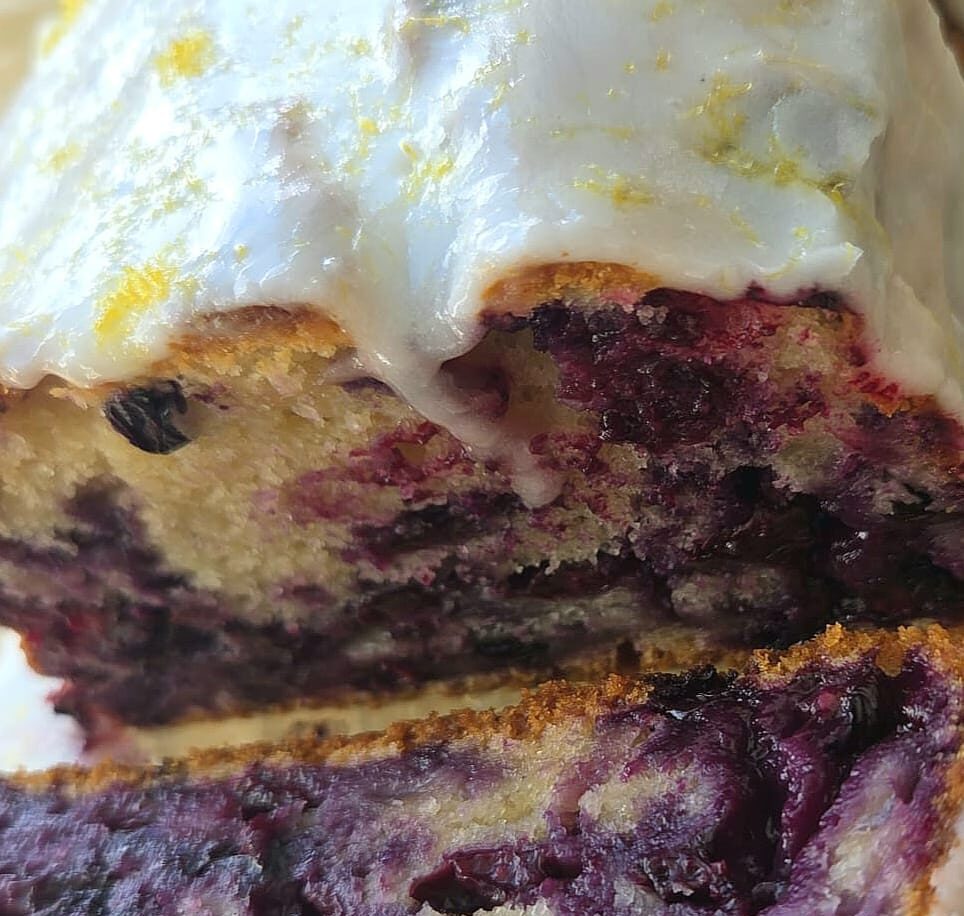
- Zest the lemon first and set the zest aside, then juice it. Whisk the powdered sugar with the lemon juice a spoonful at a time until you have a thick, slow-pouring glaze — it should coat the whisk and fall off in a ribbon, not run like water. Pour it over the cooled loaf, let it spill down the sides, and scatter the zest over the top while it's still wet.
Notes
Why sourdough discard belongs in a sweet cake
Discard gets treated like a leftover to be used up, but in a cake it’s doing real work. It brings acidity, and acidity does two things here: it softens the crumb, and it cuts through 200 g of sugar so the loaf tastes bright rather than flat. It’s the same reason buttermilk cakes work.
What it isn’t doing is lifting anything. The baking powder handles that. So take the discard cold and unfed straight from the fridge — whatever’s left over after you feed your starter. This is the one sourdough bake where you don’t have to think about whether your starter is happy.
Tips for the best sourdough discard blueberry loaf
Toss the berries in flour. One tablespoon is enough. Skip it and most of them end up in a purple layer at the bottom.
Stop mixing early. Fold the dry ingredients in until they just disappear. A slightly lumpy batter bakes into a tender loaf; a smooth, beaten one bakes into a tough one.
Bake to the skewer, not the timer. With this much fruit, the centre stays wet longer than you’d expect. 50 minutes is the earliest it’ll be done, 60 is normal, and a foil tent buys you time if the top is already dark.
Glaze it cold. Completely cold. Warm loaf, and the glaze sinks in and vanishes instead of setting into that white crackle you want on top.
Make it your own
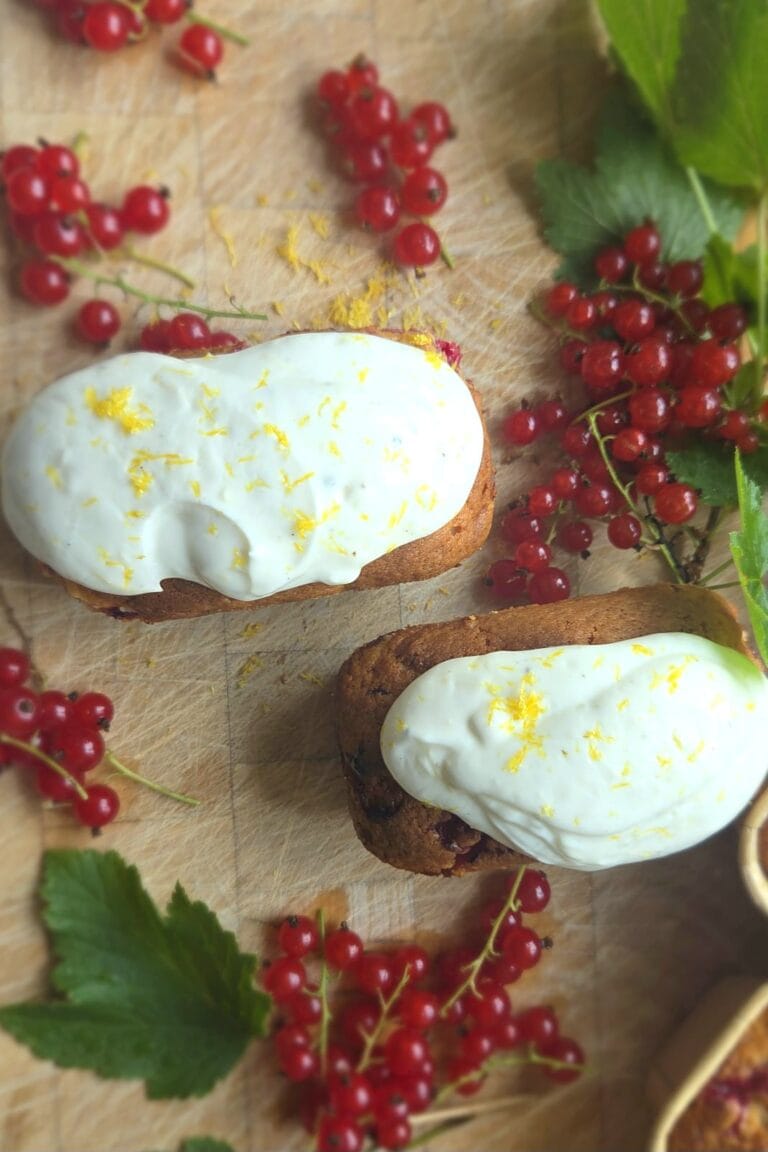
Raspberries or blackcurrants work in place of blueberries — both are sharper, so pull the sugar back by a couple of tablespoons. Redcurrants work too; they’re what we use in our sourdough discard mini loaves, finished with a lemon yogurt glaze instead of powdered sugar.
More Nordic bakes you’ll love
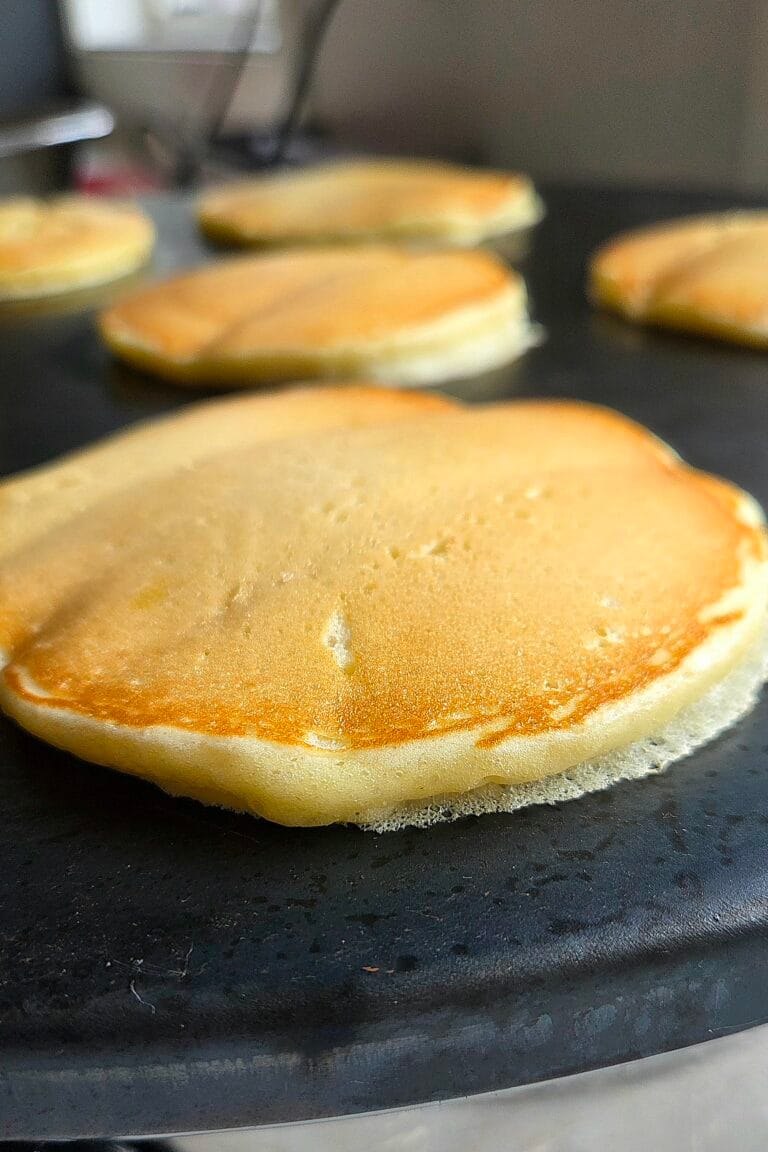
- Sourdough Discard Pancakes — thin Norwegian pannekaker that use up a whole cup of discard
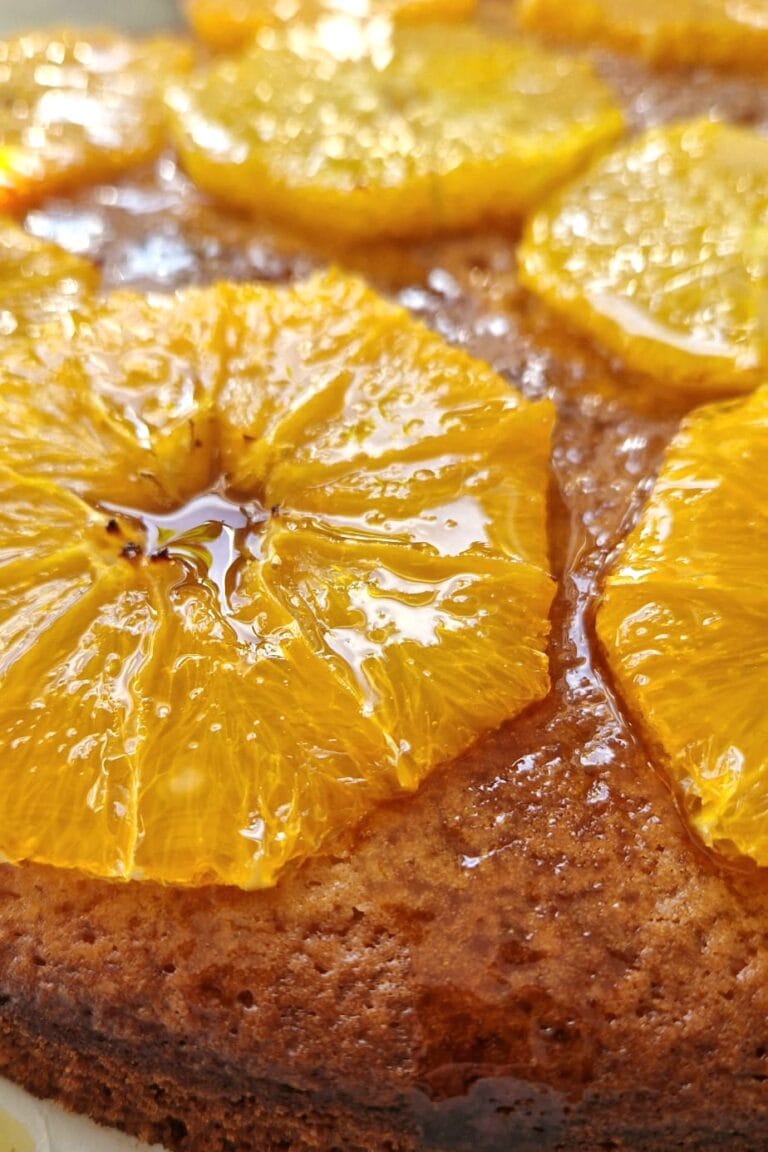
- Moist Orange Cake with Sticky Orange Syrup — another one-bowl loaf-style cake with a citrus finish
- Whole Grain Sourdough Bread — the everyday loaf your discard comes from