Norwegian Coconut Macaroons (Kokosmakroner)
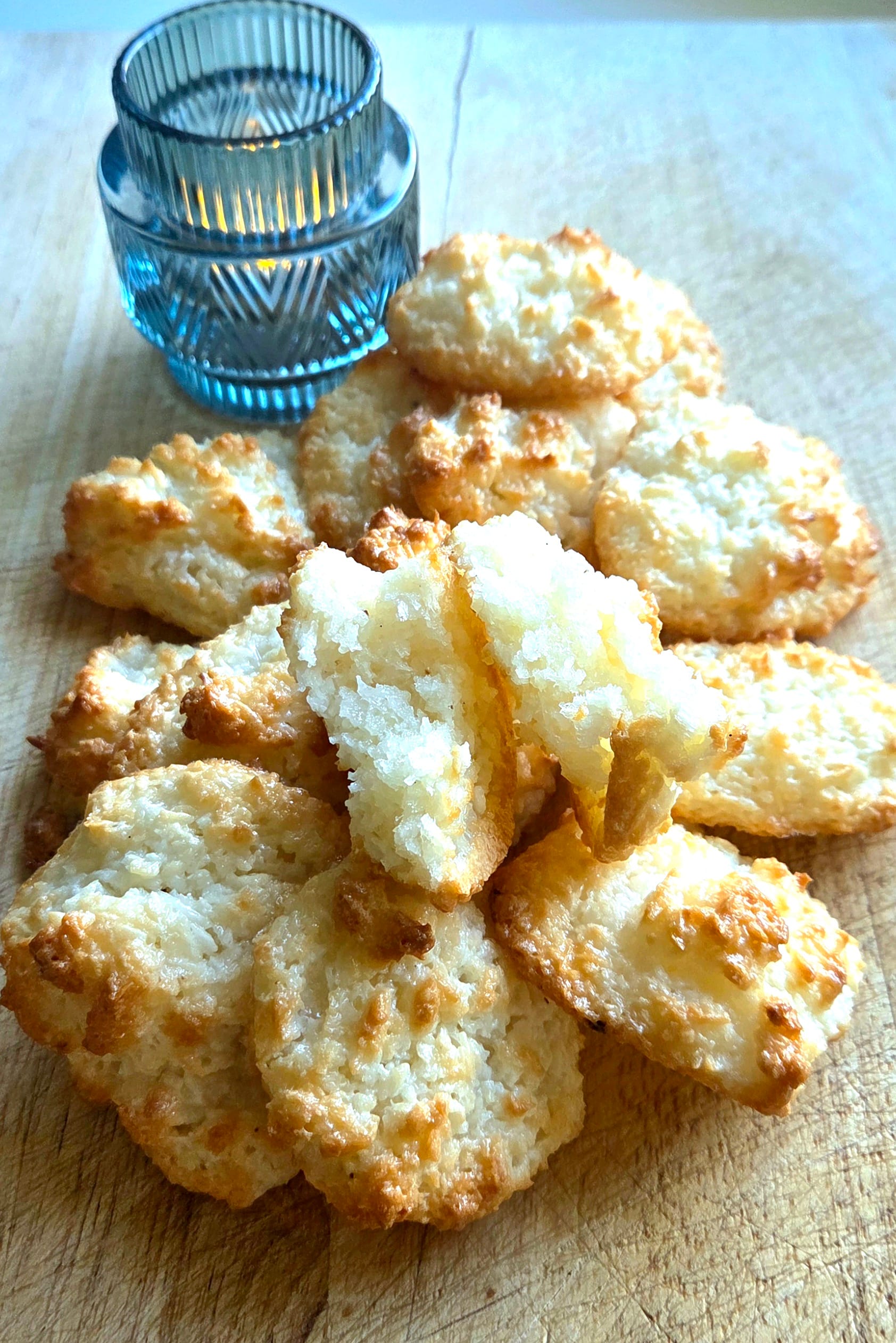
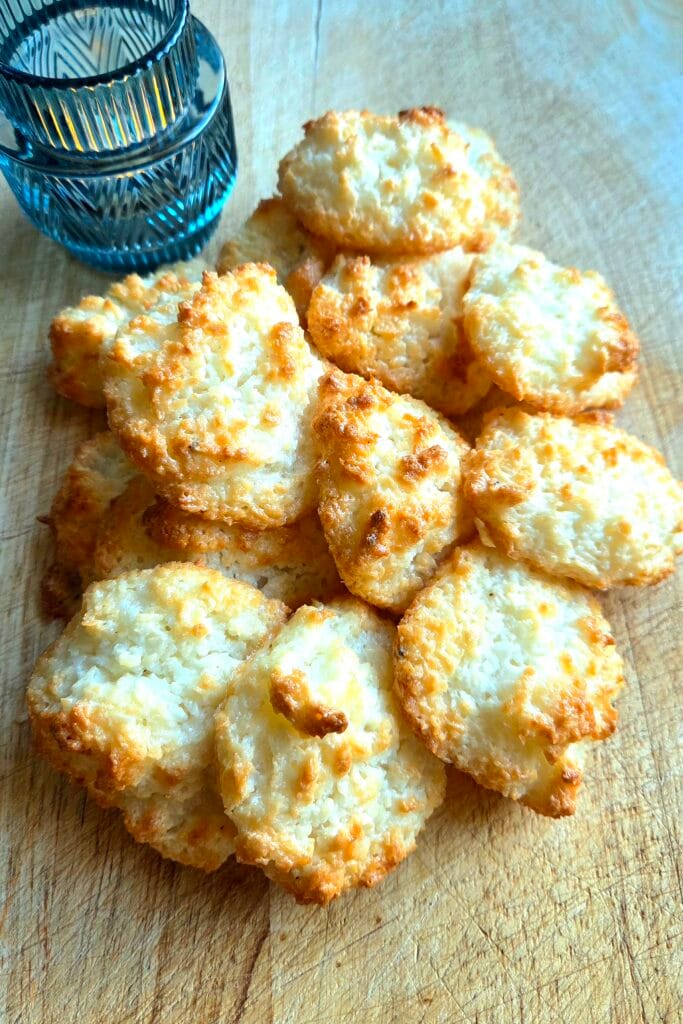
Norwegian coconut macaroons — kokosmakroner — are one of the simplest cookies in the Scandinavian Christmas repertoire, and one of the most misunderstood outside it. There’s no flour, no condensed milk and no mixer: just egg whites, sugar and coconut, cooked together in a saucepan before they ever reach the oven. That one step is what gives them a crisp golden shell and a chewy, almost fudgy center.
Kokosmakroner belong to the Norwegian syv slag, the seven kinds of cookies traditionally baked for Christmas. They’re the one we’d start with: no rolling, no chilling, no cutting.
Norwegian Coconut Macaroons (Kokosmakroner)
Ingredients
Equipment
Method
- Preheat. Heat the oven to 350°F (180°C) and line a baking sheet with parchment paper.
- Froth the whites. Whisk the egg whites by hand in a heavy-bottomed saucepan until foamy and bubbly all over. You are not building a meringue — soft and frothy is exactly right.
- Add the rest. Stir in the sugar, vanilla and coconut until everything is evenly moistened.
- Cook the batter. Set the pan over medium heat and stir constantly with a wooden spoon, scraping along the bottom so the sugar never catches. Cook for about 10 minutes.
- Check the texture. The batter is ready when it thickens to the consistency of a thick rice pudding and holds a soft mound on the spoon. It will pull away from the sides of the pan as you stir.
- Shape. Using two spoons, drop rough mounds of the warm batter onto the lined sheet, about 2 inches (5 cm) apart. They spread a little as they bake, so give them room. You should get around 20.
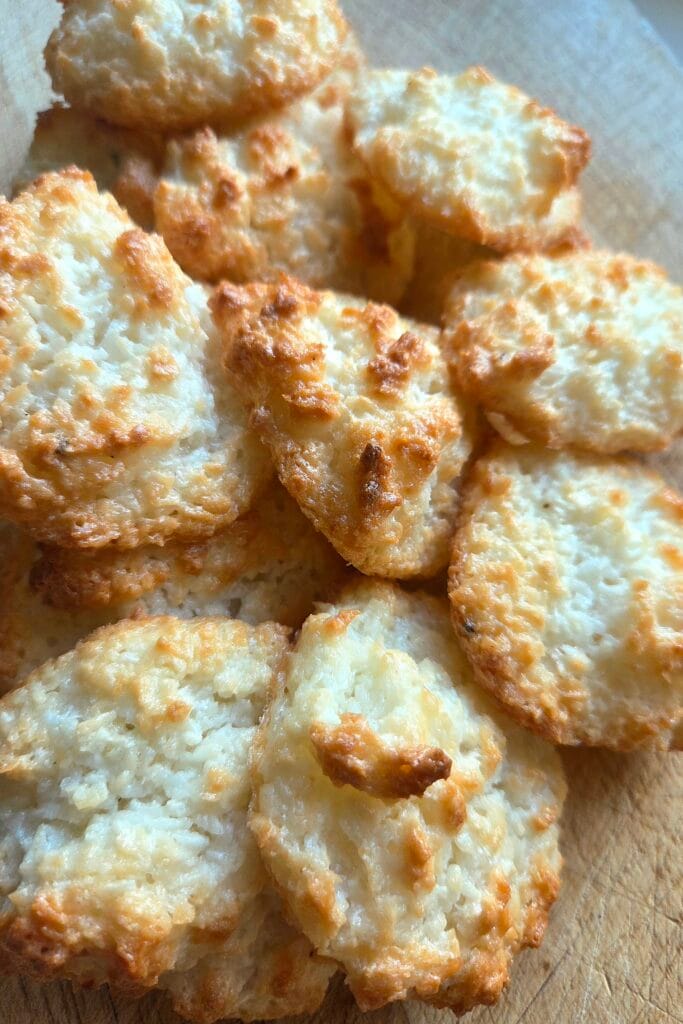
- Bake. Bake in the middle of the oven for about 10 minutes, until the ruffled edges and high points are golden and the centers are still pale.
- Cool. Cool on a wire rack. They are soft when they come out and firm up as they cool.
Notes
- Vanilla sugar is a Scandinavian pantry staple. Without it, use ½ teaspoon of vanilla extract.
- Storage: about a week in an airtight tin, or up to 3 months frozen — more in the post below.
What makes Norwegian coconut macaroons different
If you’ve made coconut macaroons in the US, you’ve probably made them with sweetened condensed milk. Kokosmakroner work on a completely different principle. The egg whites and sugar are cooked with the coconut until the sugar dissolves and the coconut hydrates, which sets the batter just enough to hold a shape. The result is less sweet, chewier, and it tastes like coconut rather than like caramelized milk.
They’re also naturally gluten free, which makes them one of the easiest cookies to put on a mixed holiday table without a second recipe.
The one step that matters
Everything about these cookies is decided in the saucepan. Cook the batter too little and it slumps into flat discs in the oven. Cook it too far and it goes dry and sandy.
You’ll feel it before you see it: the batter goes from loose and sloshing to heavy, and the spoon starts to meet resistance as you scrape the bottom. At that point it looks like thick rice pudding — it mounds on the spoon and the track you leave behind closes up slowly instead of instantly. That’s your cue. Roughly ten minutes over medium heat, but trust the spoon, not the clock.
Once it’s there, work while it’s still warm. Two spoons, rough mounds, straight into the oven — the ruffled edges are what go golden.
Coconut macaroons without condensed milk
Because this recipe doesn’t rely on condensed milk for structure, the coconut you buy genuinely matters. Use unsweetened, finely shredded coconut. The large sweetened flakes common in American supermarkets carry their own sugar and won’t cook down into a batter that binds — you’ll get a loose, very sweet mixture that bakes into something quite different.
Make it your own
- Chocolate-dipped: dip the cooled bases in melted dark chocolate and set them on parchment — a classic way to finish them.
- Cardamom: a quarter teaspoon of freshly ground cardamom in with the sugar pushes them firmly into Nordic Christmas territory.
Bake them early — they freeze beautifully
If you bake several kinds of Christmas cookies, these are the ones to start with. Kokosmakroner freeze better than almost anything else on the tray, so you can make them weeks ahead and take the pressure off December. Brune pinner are the other early bake we lean on — they keep for weeks in a tin, and they use one of the egg yolks left over from this recipe
Bake and cool them completely, then pack them into a rigid container with parchment between the layers — a bag will crush the edges. They keep for up to three months in the freezer. Thaw at room temperature for about an hour and they come back exactly as they were, crisp shell and chewy centre intact.
At room temperature in an airtight tin they’ll hold for about a week. Either way, they’re better on day two, once the centres settle.
More Nordic bakes you’ll love
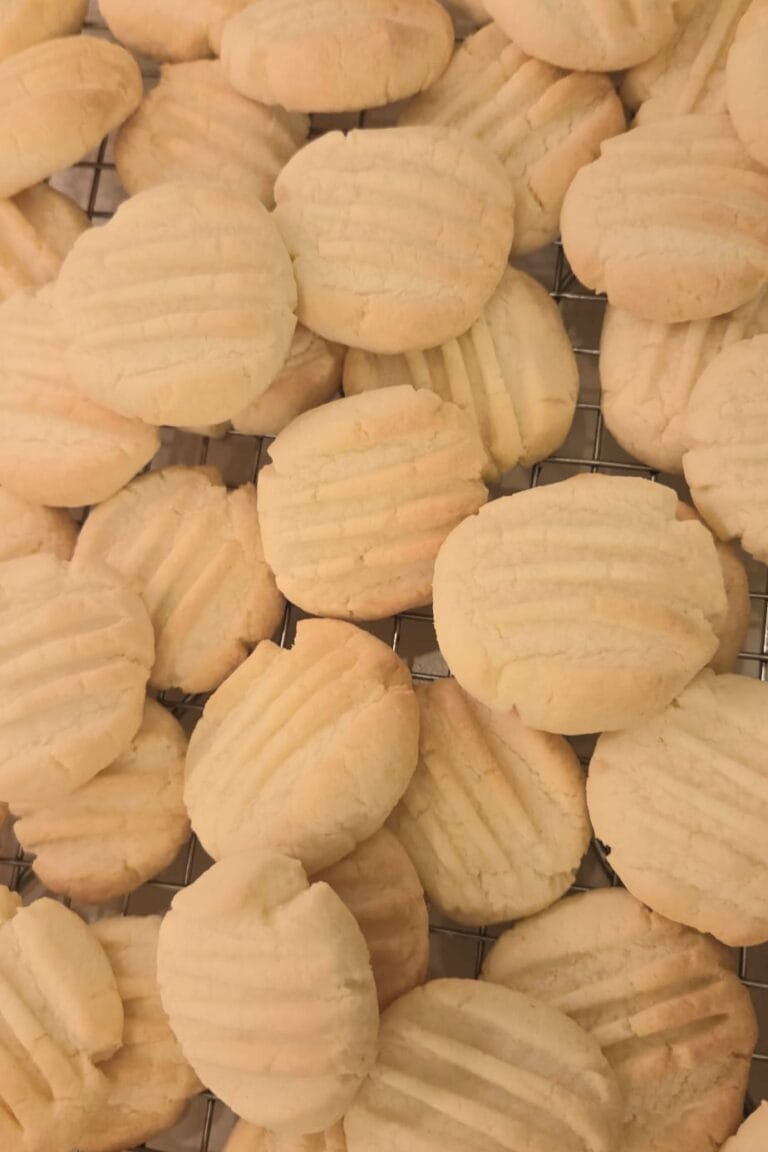
- Sandnøtter — Norwegian Christmas Butter Cookies — tender, crumbly and marked with the classic fork pattern
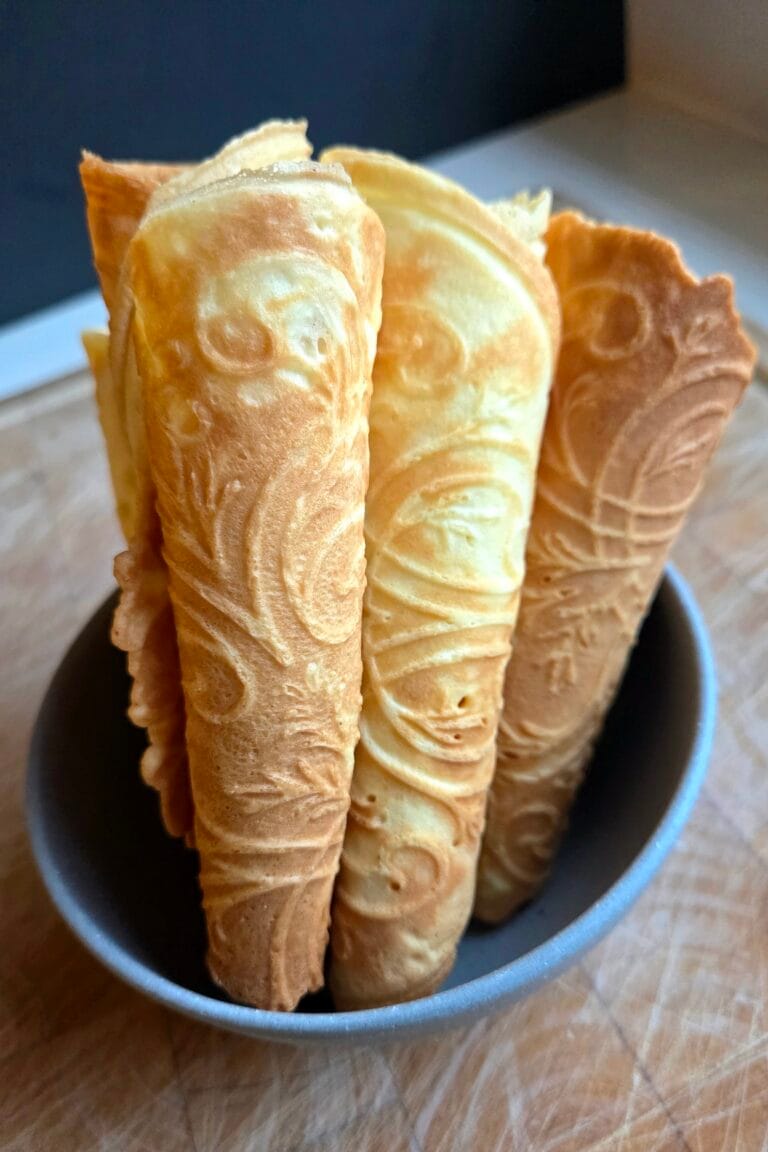
- Krumkake — Norwegian Waffle Cookies — rolled thin and crisp on a patterned iron
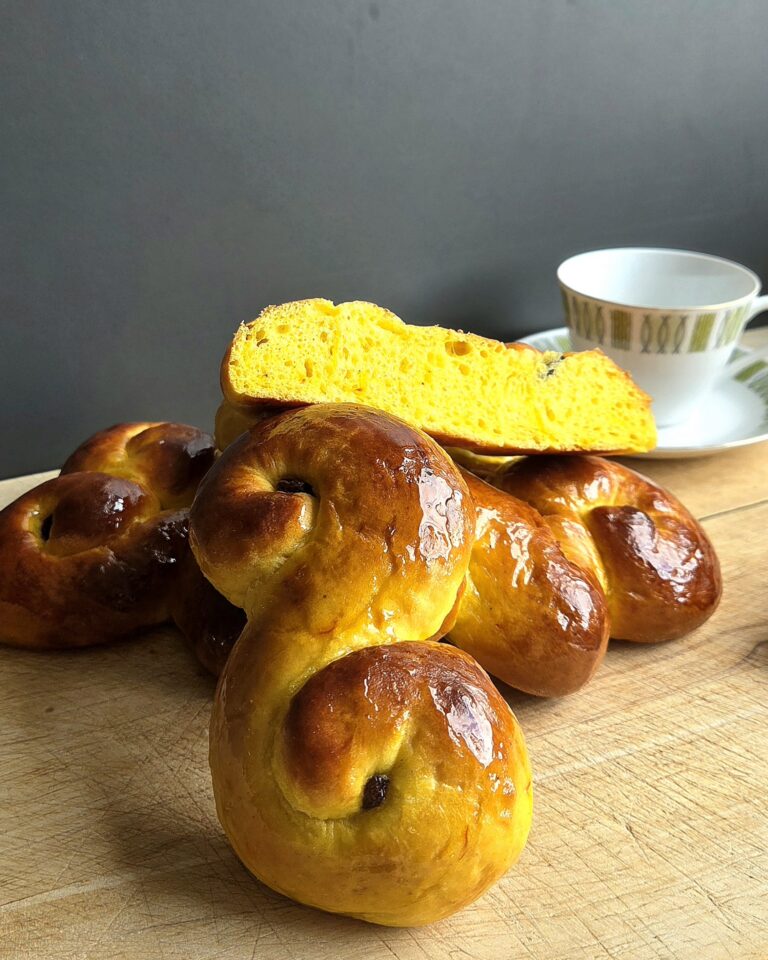
- Norwegian Julekake — Soft Tangzhong Christmas Bread — the Christmas bread that sits alongside the cookies