Norwegian Rye Buns with Anise (Laup)
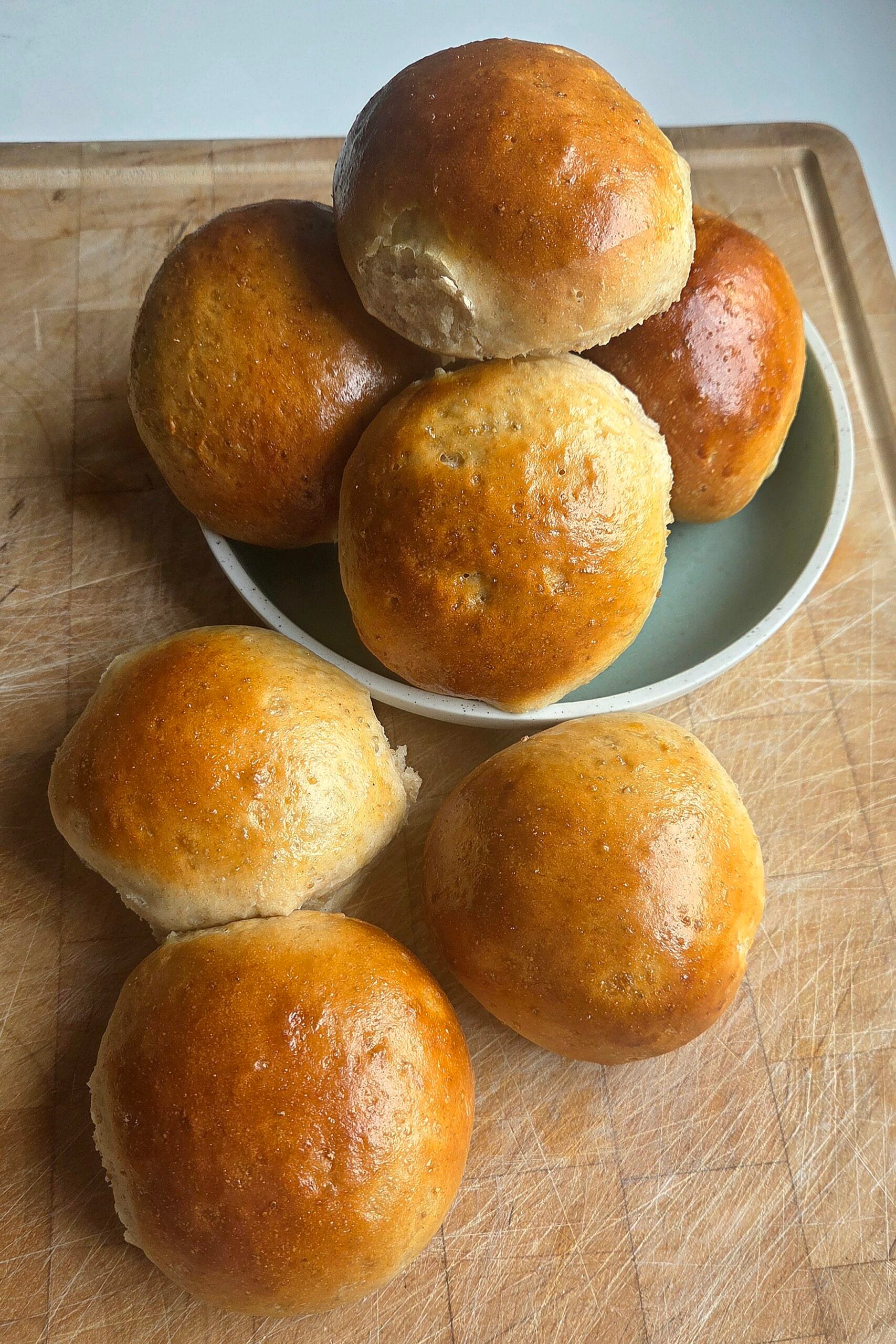
These Norwegian rye buns, known as laup (lauper in the plural), are a regional bake associated with Trøndelag in central Norway — soft, lightly sweet rolls built on a mix of wheat and rye and scented with freshly ground anise. They sit somewhere between a dinner roll and a sweet bun: enriched with butter and milk, sweet enough to notice but never dessert-sweet, and sturdy enough to carry a thick slice of brown cheese. The anise is what makes them worth going out of your way for.
Norwegian Rye Buns with Anise (Laup)
Ingredients
Equipment
Method
- Combine. Put the cold milk, all-purpose flour, rye flour, sugar, butter, yeast, ground anise and salt into the bowl of a stand mixer.
- Knead. Knead with the dough hook for about 13 minutes on low speed, then 2 minutes on medium, until the dough is smooth and elastic. Kneading by hand will take noticeably longer.
- First rise. Cover the bowl and let the dough rise for about 30 minutes.
- Shape. Divide the dough into 20 equal pieces, about 110 g each. Shape each one into a tight ball, place on parchment-lined sheet pans and press down lightly to flatten.
- Proof. Cover and proof for 60–90 minutes, until doubled in size. Meanwhile, heat the oven to 400°F (200°C).
- Bake. Brush the buns with beaten egg and bake for 12–15 minutes, until deep golden.
- Cool and serve. Cool on a wire rack. Serve with good butter and brunost (Norwegian brown cheese), or with jam.
Notes
- Fresh vs. instant yeast: fresh yeast is standard in Norwegian kitchens but hard to find in the US. Use 17 g (5½ tsp) instant yeast instead and add it straight to the dry ingredients — no need to bloom it.
- Why cold milk: cold liquid slows the fermentation just enough that the long knead doesn’t overheat the dough. The rise still takes well under two hours.
- Make ahead: these freeze beautifully. Cool completely, freeze in bags, then warm from frozen at 350°F (175°C) for 6–8 minutes.
What makes these Norwegian rye buns different
Most soft rolls are pure wheat. Here, about a quarter of the flour is finely milled rye, which does two things: it gives the crumb a deeper, slightly earthy flavor, and it makes the buns keep better than an all-wheat roll. Rye holds on to moisture in a way wheat doesn’t — our flour guide explains why it plays by different rules.
The sweetness is worth setting expectations on. There’s sugar in the dough, but far less than in a cinnamon bun — enough to round off the rye and carry the anise, not enough to make these a treat. Think of them the way Norwegians do: everyday bread that happens to taste a little sweet.
The second difference is the anise. It’s a quiet spice — nothing like the punch of cardamom in our cinnamon knots — but it sits underneath everything and gives the rolls a faintly sweet, licorice-adjacent warmth. Ground fresh, three teaspoons is exactly enough to notice and never enough to dominate.
Rye and anise are the two things that mark them out, and both point to Trøndelag, the region around Trondheim on Norway’s central coast, where lauper have their strongest roots.
Tips for soft rye buns
Weigh your flour. Rye and wheat behave completely differently in a measuring cup, and this dough is at about 60% hydration — enough room to go wrong if you scoop rather than weigh. The gram measurements are the real recipe.
Knead longer than feels necessary. Fifteen minutes total sounds like a lot, but rye dilutes the gluten network and the dough needs that time to come together properly. It should end up smooth, elastic and pulling cleanly away from the bowl.
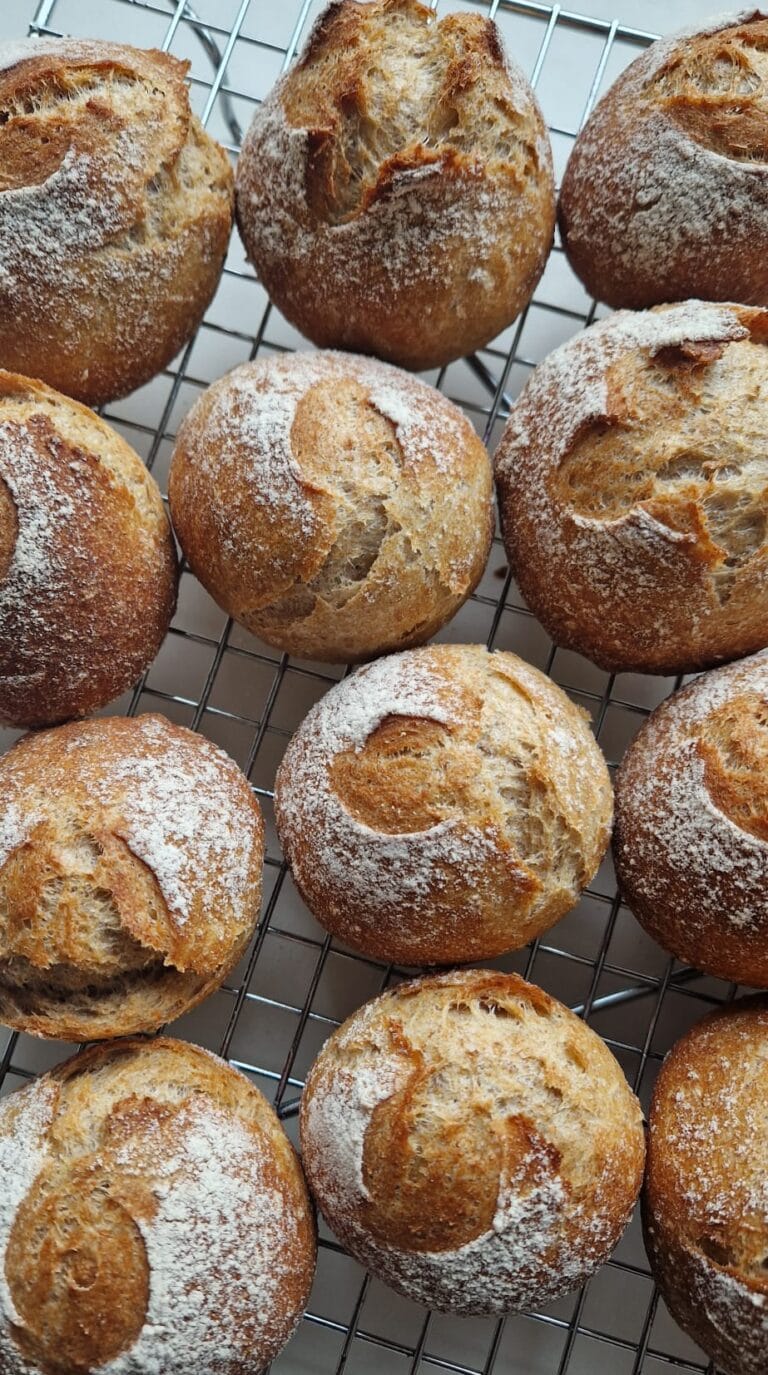
Press them flat. After shaping, flatten each ball slightly with your palm. Lauper are traditionally squat, wide rolls rather than tall domes, and flattening also helps them bake evenly all the way through in 12–15 minutes.
Let them properly double. The second proof is where the softness comes from. Sixty minutes is a minimum, not a target — go by the look of the dough, not the clock. Underproofed rolls come out tight and dense.
Egg wash for shine. A single beaten egg is what gives these their glossy, deep-golden top. Brush gently so you don’t knock the air out of the proofed dough.
How to serve lauper
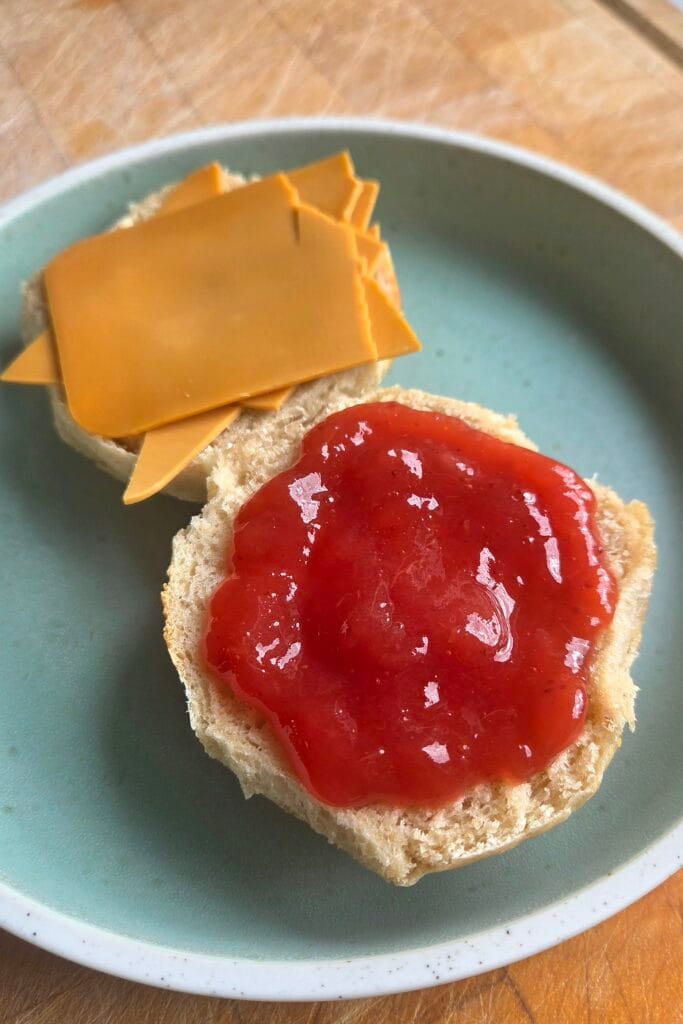
The classic way is split, buttered generously and topped with brunost — Norwegian brown cheese, the caramel-colored whey cheese sold in the US as Ski Queen or gjetost. The sweet-savory cheese against the anise is the whole point, and it’s worth ordering a block if you’ve never tried it. It’s the same cheese we melt onto our Norwegian heart waffles.
Jam is the other standard: strawberry or raspberry, spread thick on a still-warm half. Both at once, one half each, is how they usually turn up on a Norwegian breakfast table.
They’re also very good simply split and toasted the next morning, with butter melting into the cut side.
Make it your own
- Caraway instead of anise — a more common Nordic bread spice, sharper and more savory. Use the same quantity.
- Fennel seed — gentler than anise, slightly sweeter. A good starting point if anise isn’t your thing.
- More rye — you can push the rye to 400 g, but drop the wheat by the same amount and expect a denser, flatter roll.
- A seeded top — brush with egg and scatter with rolled oats, sunflower or pumpkin seeds before baking.
More Nordic bakes you’ll love
- Danish Rye Bread (Rugbrød) — the other side of Nordic rye baking, dense, dark and seeded
- Sourdough Rolls — crusty everyday rolls with no shaping at all
- Jam Filled Buns with Cardamom — when you want the sweet bun after all