Sourdough Scones with Whole Wheat
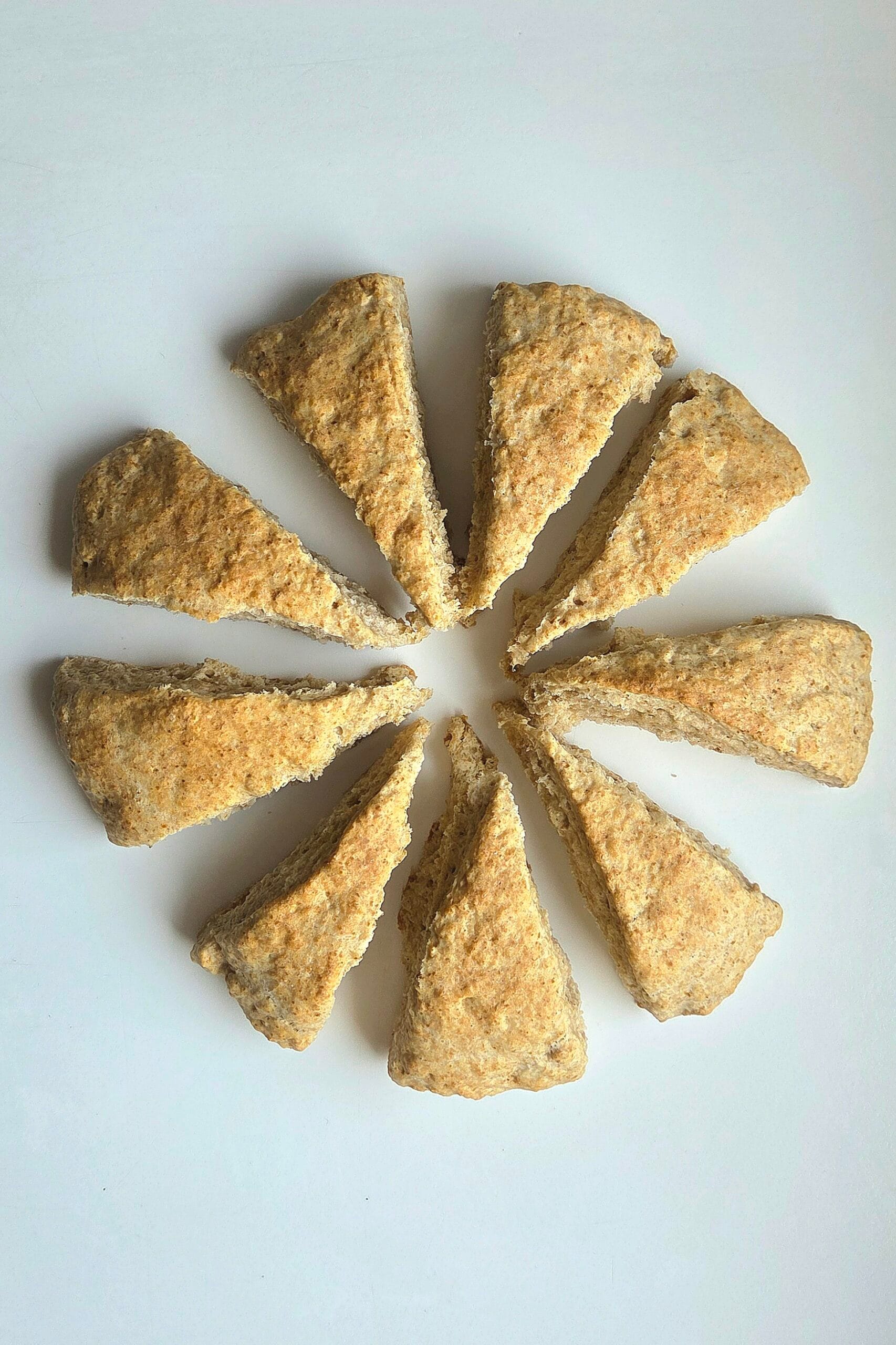
When the starter is bubbling and there isn’t time for bread, we make these sourdough scones. Fine whole wheat gives them a nutty, wholesome crumb and the starter adds a gentle tang, while baking powder does the actual rising, so they go from bowl to oven in fifteen minutes. They come out tender inside with a craggy top.
Sourdough Scones with Whole Wheat
Ingredients
Equipment
Method
- Preheat. Heat the oven to 425°F (220°C), conventional top and bottom heat. Line a baking sheet with parchment.
- Dry ingredients. Whisk the flours, sugar, baking powder and salt together in a large bowl.
- Rub in the butter. Cut the cold butter into small cubes and add them to the flour. Rub it in with your fingertips until the mix looks like coarse crumbs with flakes of butter still visible. Work quickly so the butter stays cold — those visible pieces are what give you flaky layers.
- Add the starter and milk. Stir the starter into the milk until loosened, then pour it into the flour. Mix with a spoon or your hand just until it comes together into a shaggy dough. It will feel soft and a little sticky — that's right. Stop mixing while it still looks rough.
- Pat out. Tip the dough straight onto the lined baking sheet and pat it into one round about 1 inch (2.5 cm) thick. No floured surface, no lifting — the less you move this dough, the better it rises.
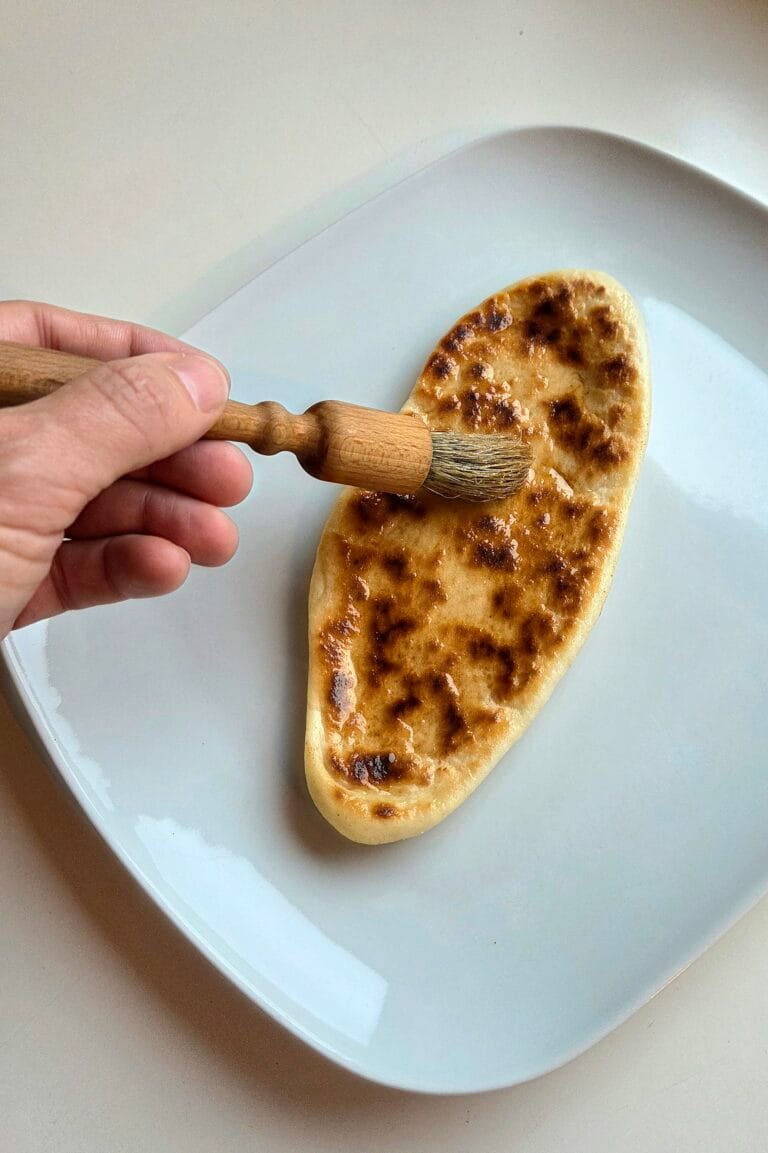
- Cut. Divide the round into 12 wedges with a bench scraper, pressing straight down rather than dragging. Leave the wedges exactly where they are, sides just touching. Brush the tops with milk.
- Bake. Bake for 22 minutes, until risen and golden. Cool on the sheet for 10 minutes, then pull the wedges apart — they'll separate cleanly along the cuts. Best served barely warm.
Notes
- Discard works too. Because the starter is here for flavor, not rise, unfed discard straight from the fridge works just as well. It gives a slightly tangier scone.
- Warm kitchen? Chill the cut wedges on the sheet for 20 minutes before baking. Cold butter hitting a hot oven is what pushes the layers apart.
- Storage: best on the day they’re baked. Keep leftovers in a paper bag at room temperature and warm them for 5 minutes in a 350°F (175°C) oven to bring the crust back. They freeze well baked — reheat from frozen for 10 minutes.
- Serving: butter and jam is the obvious pairing, but a slice of brown cheese (brunost) on a warm scone is worth trying.
Why use active starter and baking powder together?
Because they do two different jobs. The baking powder gives you lift the moment the scones hit the heat. The starter is there for flavor: a little acidity, a little depth, and a crumb that stays soft rather than dry and sandy. If you’ve had a scone that tasted flat, this is what was missing.
It also means there’s no waiting. A well-fed, bubbly starter goes straight into the dough, and 37 minutes later you’re eating. Unfed discard works too — the scones come out a touch tangier, and it’s one of the best ways we know to use it up.
Three things that make the difference
Keep the butter cold and in pieces. Cube it straight from the fridge and rub it into the flour with your fingertips — fast, before the heat of your hands melts it. Those flakes of butter turn to steam in the oven and push the layers apart. Butter that’s warmed up and smeared into the flour gives you a cake, not a scone.
Stop mixing too early. The dough should look shaggy and slightly under-mixed when you tip it out. Whole wheat flour absorbs more water than white, so it feels sticky — resist adding flour. Our flour guide explains why. Every extra turn of the spoon costs you height.
Press, don’t drag — and bake them touching. Pat the dough into one round directly on the lined sheet and divide it there, pressing a bench scraper straight down. A sawing motion seals the cut edges and the scones rise crooked — the same rule we use for our sourdough rolls. Then leave the wedges where they fall, sides just touching: they brace each other as they rise, so you get taller scones with soft sides that pull apart at the table. It also means you never have to lift soft dough onto a sheet — which is where most of the height gets lost.
Make it your own
Fruit: 100 g dried apricots, raisins or fresh blueberries, folded in at the end of mixing.
Cardamom: 2 tsp freshly ground, whisked in with the dry ingredients — the most Nordic version of this.
Savory: skip the sugar, add 100 g grated aged cheese and a good grind of black pepper. For a softer, breadier cheese scone made with melted butter, see our cheese scones with Jarlsberg.
Seeds: brush with milk and press the tops into sunflower or flax seeds before baking.
More from the Nordic kitchen
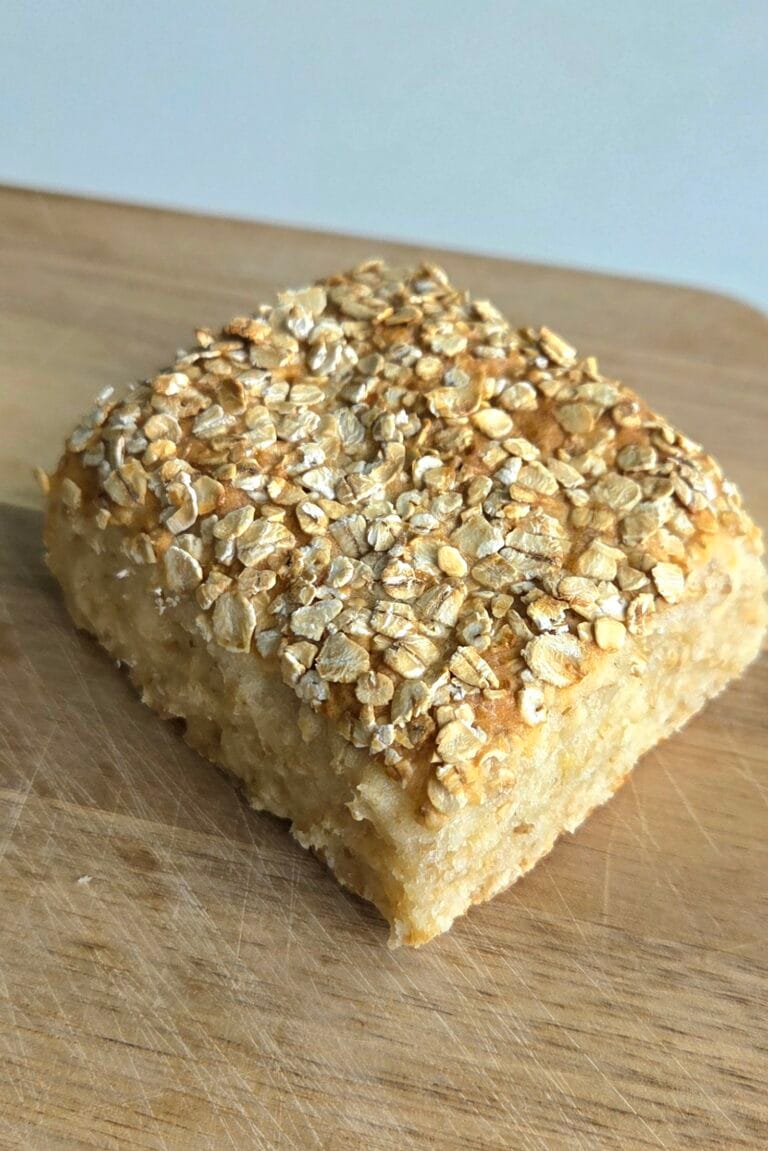
- Oat Scones — Soft Norwegian Tray Scones — Norwegian tray scones with rolled oats, baked in one slab
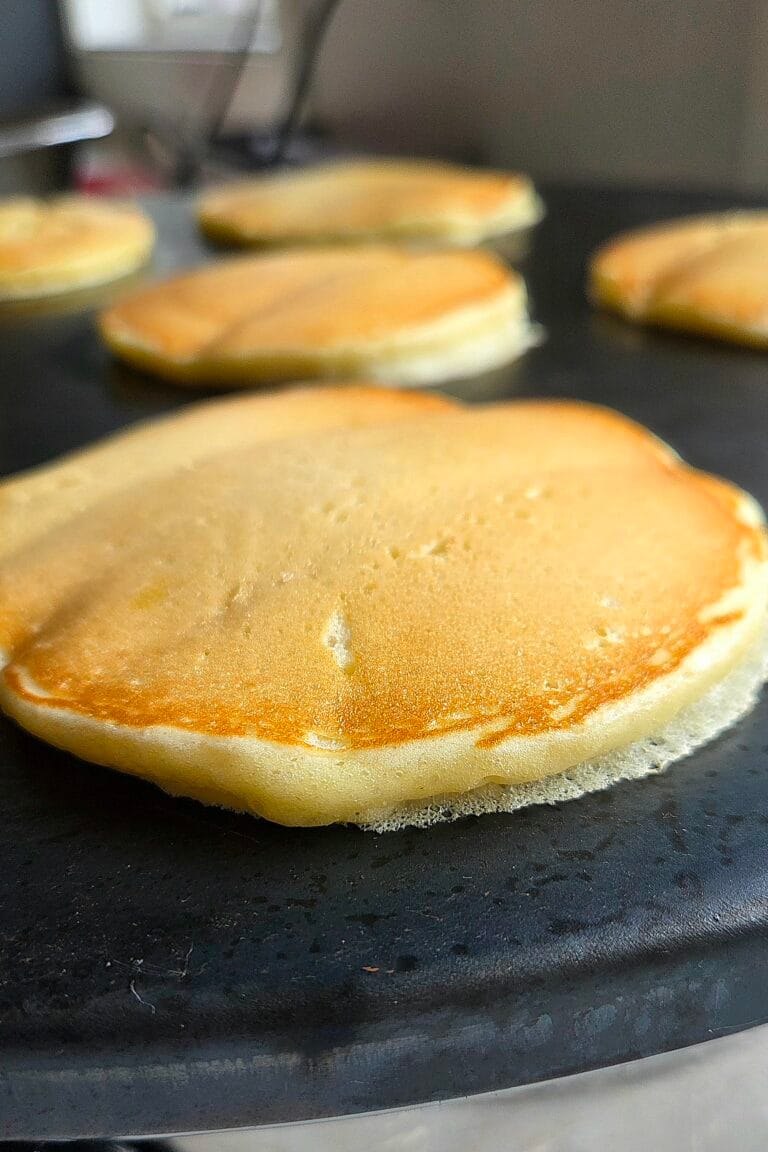
- Sourdough Discard Pancakes — another quick way to put your starter to work
- Whole Grain Sourdough Bread — the everyday loaf, for when there is time for bread